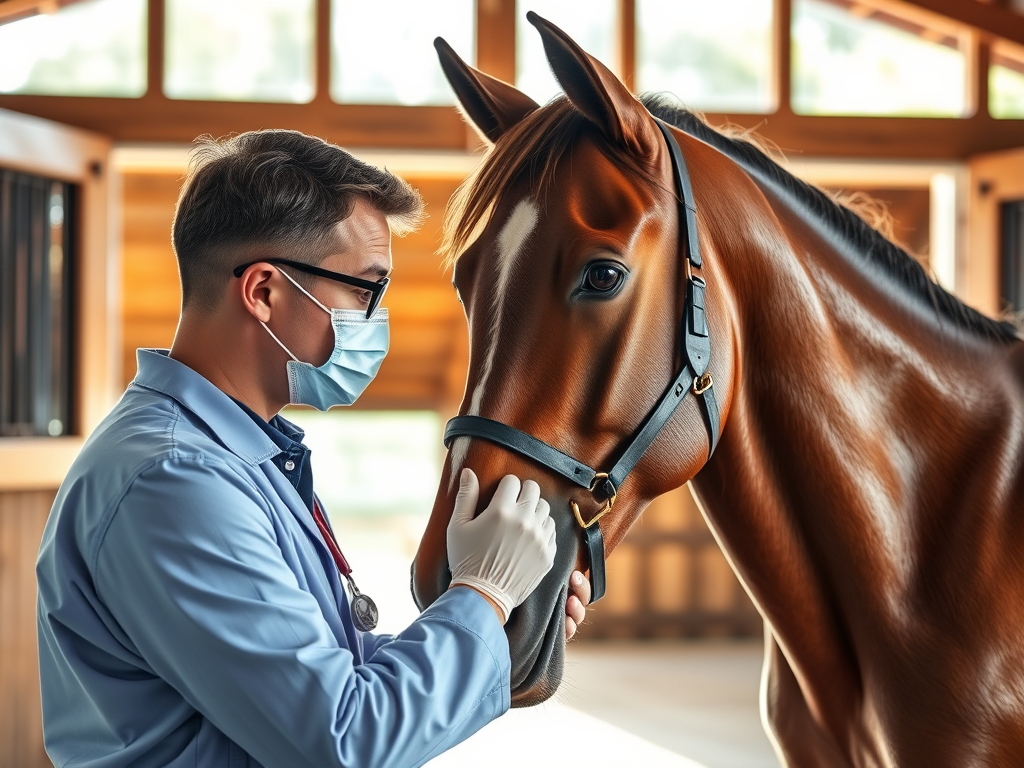
When you hear about “4-way” or “6-way” horse vaccines, it refers to combination vaccines that protect against multiple common equine diseases in a single injection. The exact components can vary slightly between vaccine manufacturers, but generally, they include the core vaccines recommended for all horses, plus additional risk-based vaccines depending on exposure and location.
Core Vaccines (Generally included in most combination vaccines):
These are recommended for all horses regardless of their location or lifestyle, due to the severity or prevalence of the diseases:
- Eastern Equine Encephalomyelitis (EEE): A mosquito-borne viral disease causing severe neurological signs, often fatal.
- Western Equine Encephalomyelitis (WEE): Another mosquito-borne viral disease, similar to EEE but generally less severe.
- Tetanus: Caused by a bacterium (Clostridium tetani) commonly found in soil, which can enter through wounds and cause severe muscle rigidity and lockjaw, often fatal.
- West Nile Virus (WNV): A mosquito-borne virus that can cause neurological disease, from mild flu-like symptoms to severe brain inflammation and death.
- Rabies: A fatal viral disease that affects the central nervous system and can be transmitted to humans. (Often given as a separate vaccine, but sometimes included in higher combination vaccines, especially 5-way or 6-way).
What’s in a “4-Way” Horse Vaccine?
A common “4-way” vaccine typically includes:
- Eastern Equine Encephalomyelitis (EEE)
- Western Equine Encephalomyelitis (WEE)
- Tetanus
- Equine Influenza Virus (EIV or “Flu”) – This is a common combination for horses at risk of respiratory disease, often from travel or exposure to other horses.
OR sometimes a “4-way” might combine EEE, WEE, Tetanus, and West Nile Virus. It’s crucial to check the specific product label.
What’s in a “6-Way” Horse Vaccine?
A “6-way” vaccine generally expands on the 4-way or 5-way combinations to include additional protection, often against respiratory diseases. A common “6-way” might include:
- Eastern Equine Encephalomyelitis (EEE)
- Western Equine Encephalomyelitis (WEE)
- Tetanus
- Equine Influenza Virus (EIV or “Flu”)
- Equine Herpesvirus (EHV-1 and EHV-4, often called “Rhino” or Rhinopneumonitis) – EHV causes respiratory disease, abortion in mares, and neurological disease in some forms.
- West Nile Virus (WNV)
Some 6-way vaccines might also include Venezuelan Equine Encephalomyelitis (VEE), especially in regions where that is a risk.
Key Considerations:
- Core vs. Risk-Based: While the core vaccines (EEE, WEE, Tetanus, West Nile, Rabies) are universally recommended, Flu and Rhino (EHV) are considered “risk-based” vaccines. This means their necessity and frequency depend on the horse’s lifestyle, travel, exposure to other horses, and geographic location.
- Consult Your Veterinarian: The best vaccination protocol for your horse should always be determined in consultation with a veterinarian. They will consider:
- Your horse’s age and health status
- Their lifestyle (e.g., pasture ornament, show horse, breeding mare)
- Geographic location and local disease prevalence
- Travel frequency and exposure risk
- Boosters and Schedules: Many vaccines require an initial series of doses (especially for foals or previously unvaccinated adults), followed by annual or semi-annual boosters. Flu and Rhino vaccines, due to the nature of the viruses, often require semi-annual (every 6 months) boosters for horses at high risk.
- Manufacturer Specifics: Always check the specific vaccine product details, as combinations and recommended schedules can vary slightly between brands (e.g., Zoetis Fluvac Innovator 6, Merck Prestige 4).
Combination vaccines offer convenience by reducing the number of injections, which can be less stressful for the horse and easier for the owner or veterinarian.
 Equine Vet Tech
Leave a comment