Just like us, horses need proper nutrition to thrive. Providing the right kind and amount of feed, along with constant access to clean water, is a cornerstone of responsible equine husbandry. In this third instalment, we’ll delve into the dietary needs of horses.
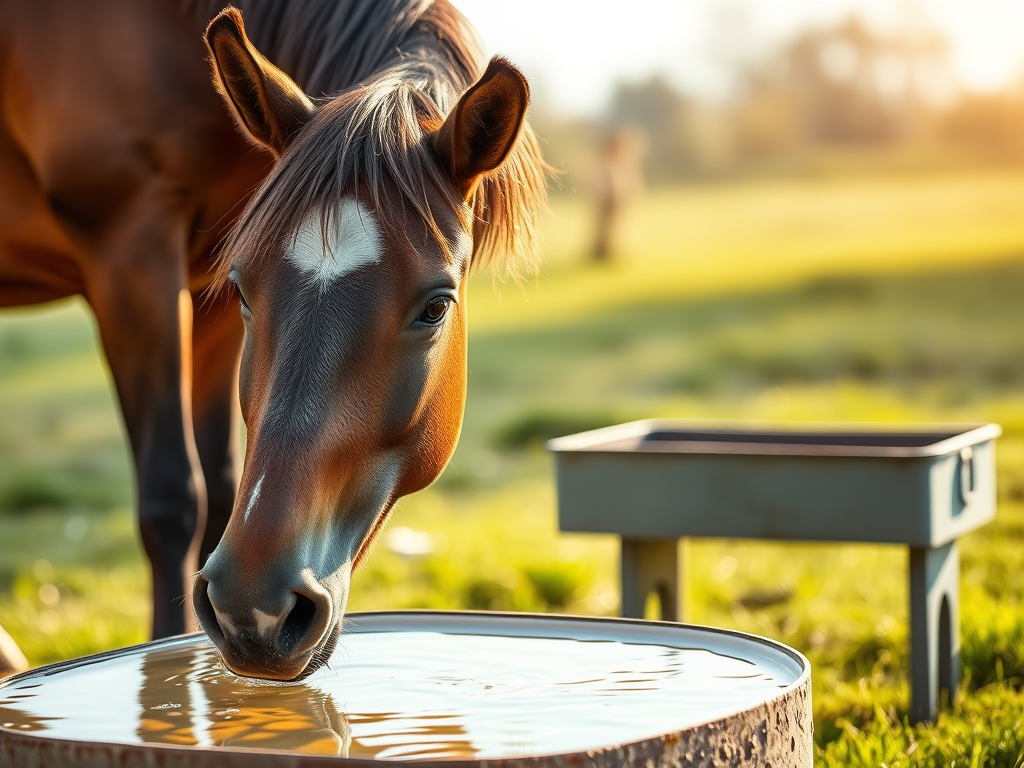
Water: The Most Crucial Nutrient. It cannot be stressed enough: horses need constant access to fresh, clean water. An average adult horse can drink anywhere from 5 to 10 gallons of water per day, and even more in hot weather or during periods of exercise. Dehydration can quickly lead to serious health issues (The Horse, 2021). Water sources should be checked daily, kept free of ice in winter, and regularly cleaned to prevent contamination.
Forage: The Foundation of the Diet. Horses are herbivores and their digestive systems are designed for continuous grazing. Therefore, forage (hay or pasture) should form the bulk of their diet. Good quality hay, free from mould and dust, provides essential fibre for a healthy gut. The amount of forage needed depends on the horse’s size, age, activity level, and overall condition, but a general guideline is 1.5-2% of their body weight in dry matter per day (NRC, 2007).
Concentrates: When and How Much? Grains, pellets, and other concentrates provide additional calories, protein, vitamins, and minerals. They are typically fed to horses with higher energy demands, such as performance horses, growing youngsters, or mares in lactation. However, feeding too much concentrate can lead to digestive upset, laminitis, and other health problems. It’s crucial to:
- Feed by weight, not volume.
- Feed small, frequent meals rather than large, infrequent ones.
- Make any dietary changes gradually over several days to weeks.
- Consult with an equine nutritionist or veterinarian to create a balanced diet tailored to your horse’s individual needs.
Remember, every horse is an individual, and their nutritional requirements will vary. Paying close attention to their body condition and consulting with professionals are key to keeping your horse healthy and happy.
Our next post will cover providing a safe and comfortable home: Shelter and Environment.
 Equine Vet Tech
Leave a comment